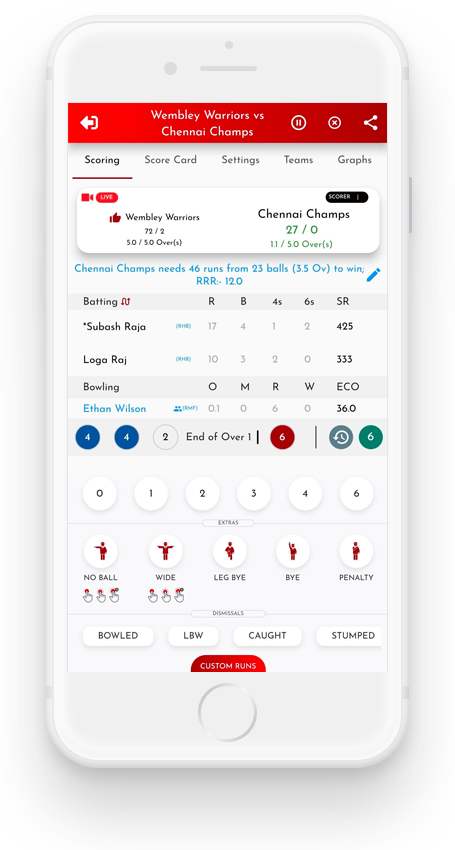
Ultimate Cricket tracking and scoring app for all cricketers.
Track and improve your game with the Vtrakit app right from your
smartphone or tablet. Bring your game to the next level with
Vtrakit!
Vtrakit is about helping Cricketers bring
together their passion, practice and performance.

Vtrakit’s mobile-based app is designed to be user friendly so that anyone can start using it to score games, capture cricketing stats and practice sessions. You could be playing village Cricket, gully Cricket, club Cricket or professional Cricket - you can use Vtrakit to improve your performance, elevate your game and experience Cricket in a whole new way.
Vtrakit App is full of unique features that you can explore to transform your cricketing experience. In addition to scoring games and keeping track of your Cricket stats, you can also connect to other players, capture your practice sessions and create tournaments. Watch the video to get a sneak preview of the Vtrakit App.

Live capture ball-by-ball score of your match with the Vtrakit App & download your scorecard in PDF

Organize tournaments, schedule matches, see tournament stats, points table and much more

Scoring no longer has to fall to one person, transfer scoring to another user during a match within seconds

Relive your shots and deliveries with Pitch Map and Wagon Wheel

Track all your practice hours (batting, bowling, fielding and wicket keeping) by capturing it

You can log your fitness hours and see your progress in real-time.
How one accesses this digital landscape varies by skill and need. The most common method is graphical: opening File Explorer and clicking on “Local Disk (C:).” This presents a structured view of folders like Program Files , Windows , and Users —the holy trinity of system, applications, and personal data. For those needing deeper control, the Command Prompt or PowerShell offers text-based access, where commands like C: and dir reveal the drive’s contents with stark efficiency. For the truly advanced, accessing the C: drive might mean booting from a USB drive to repair a corrupted system, or using a remote desktop tool to manipulate files on a server hundreds of miles away. In every case, access is permission to touch the machine’s operating system.
In conclusion, the simple act of accessing the C: drive is a rite of passage. It is the first step from being a passive consumer of technology to an active steward of it. Whether done to install a program, recover a lost document, or troubleshoot a blue screen, opening the C: drive is a dialogue with the machine’s deepest layer. It commands respect, demands caution, and ultimately rewards the curious with a profound understanding that a computer is not magic—it is a beautifully organized set of files, waiting to be explored. access c drive
The C: drive’s dominance is a relic of history and a triumph of convention. In the era of MS-DOS, the A: and B: drives were reserved for floppy disks. When hard drives became standard, they were assigned the next letter: C. This naming convention has persisted for four decades, making the C: drive a universal shorthand for a computer’s primary internal storage. To “access the C drive” is to bypass the curated interfaces of desktop icons and start menus, entering the raw file hierarchy where Windows (or Linux, or a dual-boot system) resides. How one accesses this digital landscape varies by
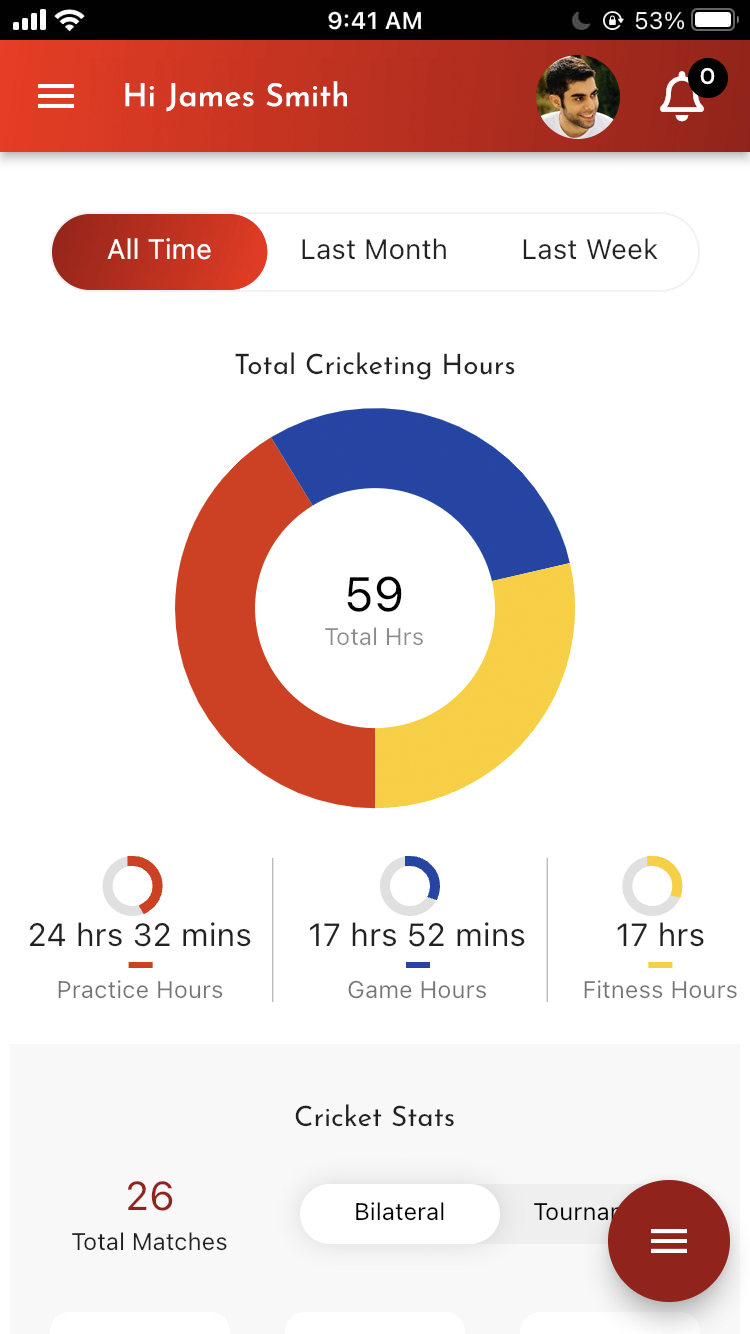

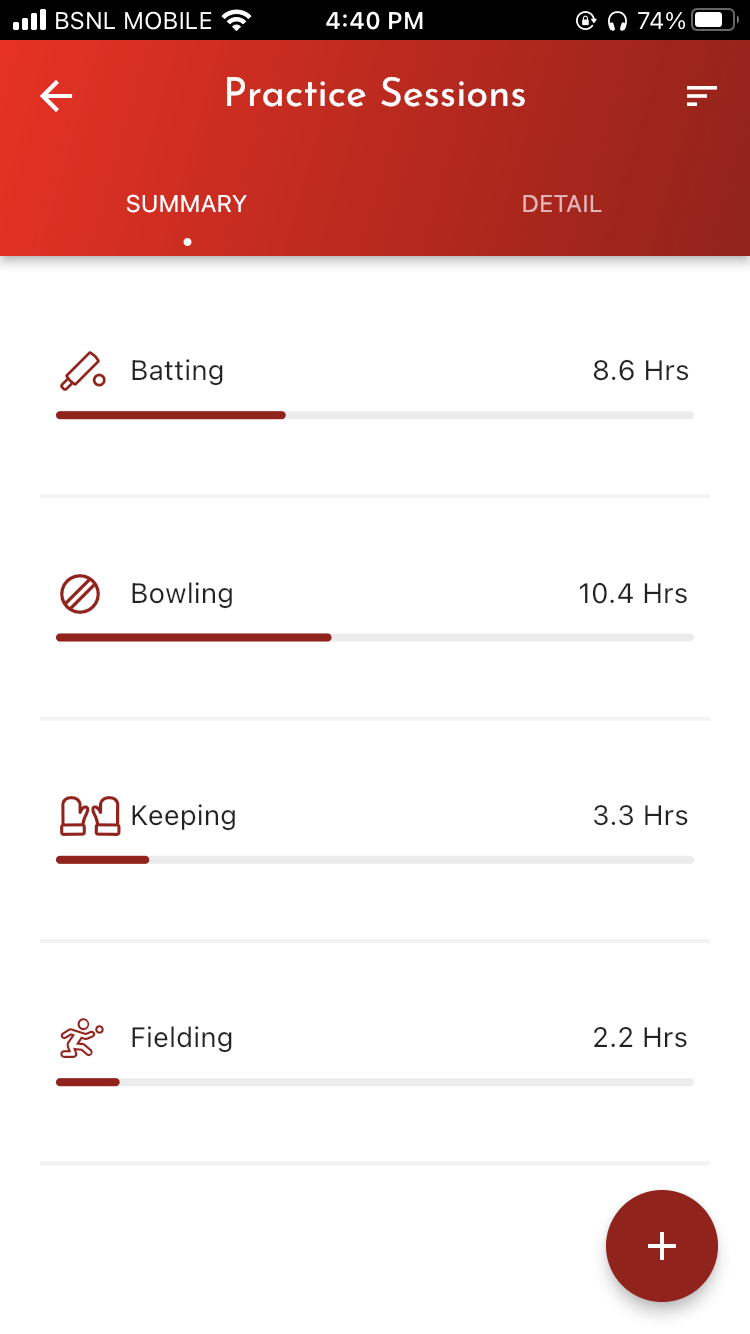
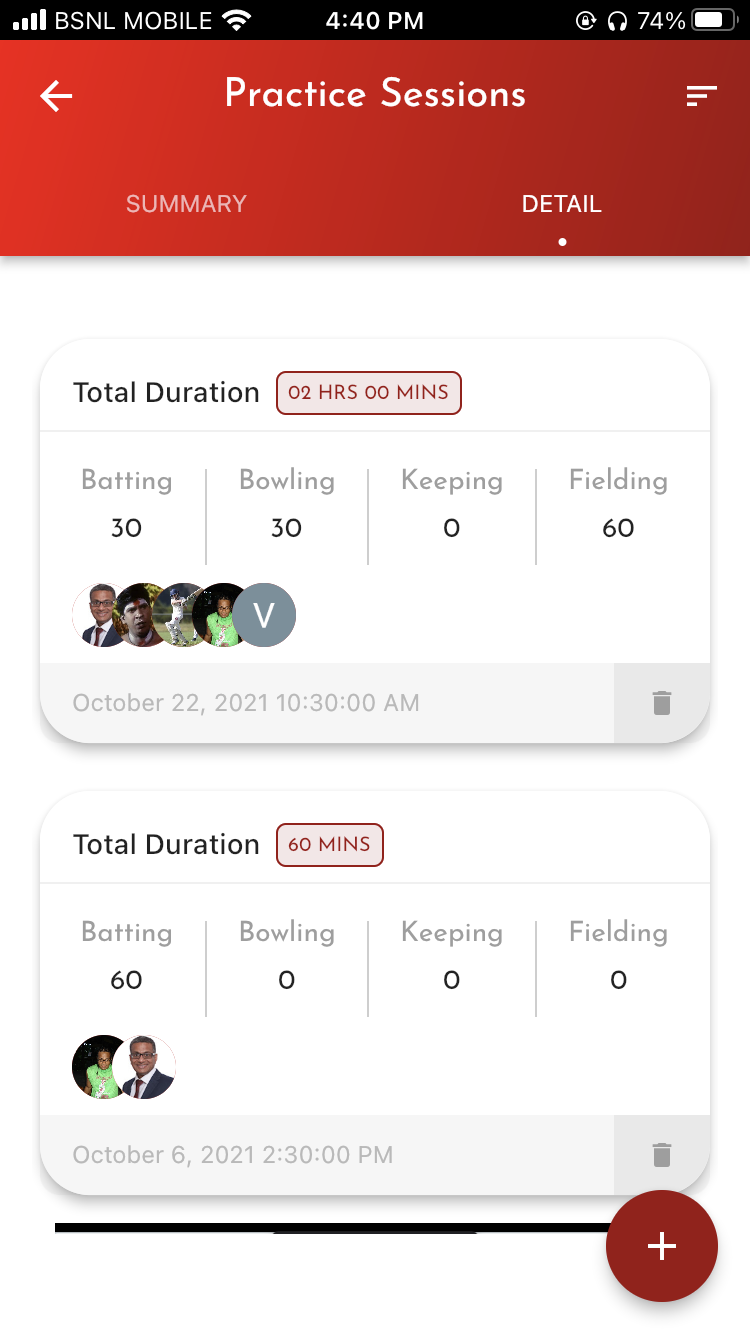

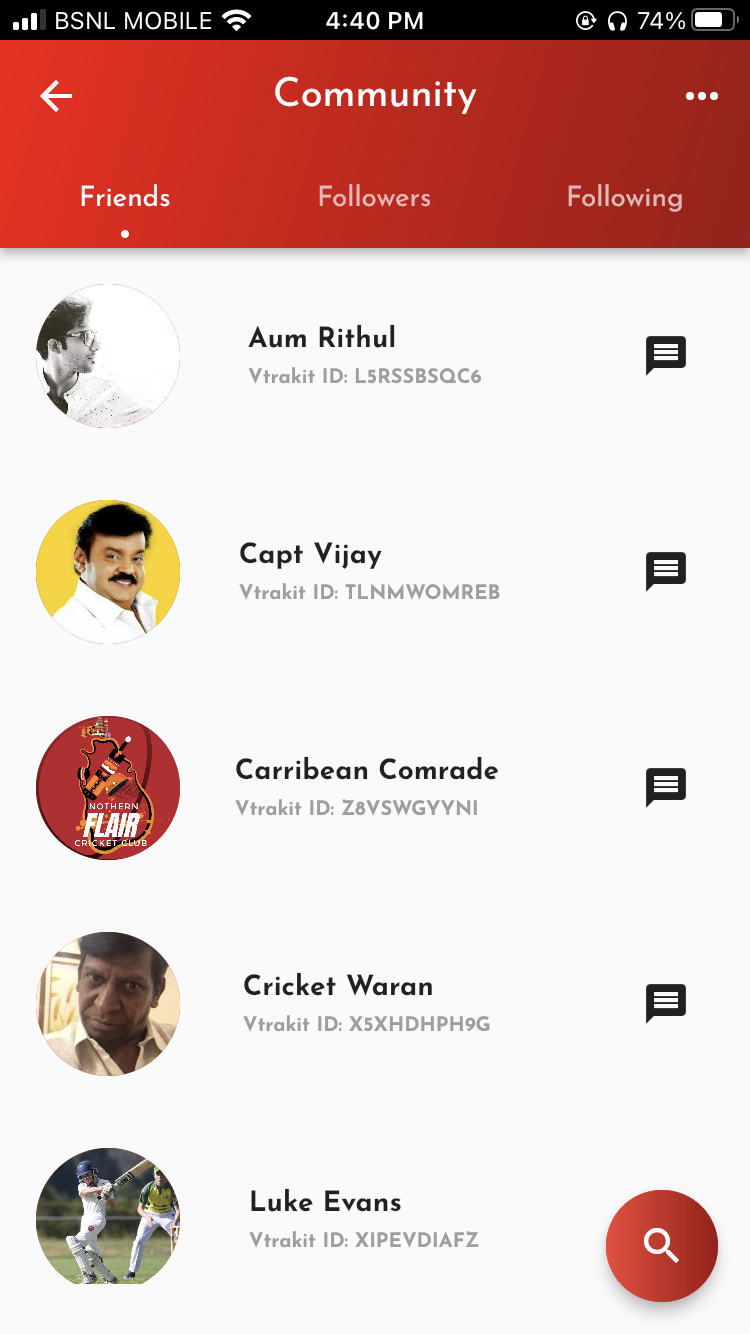
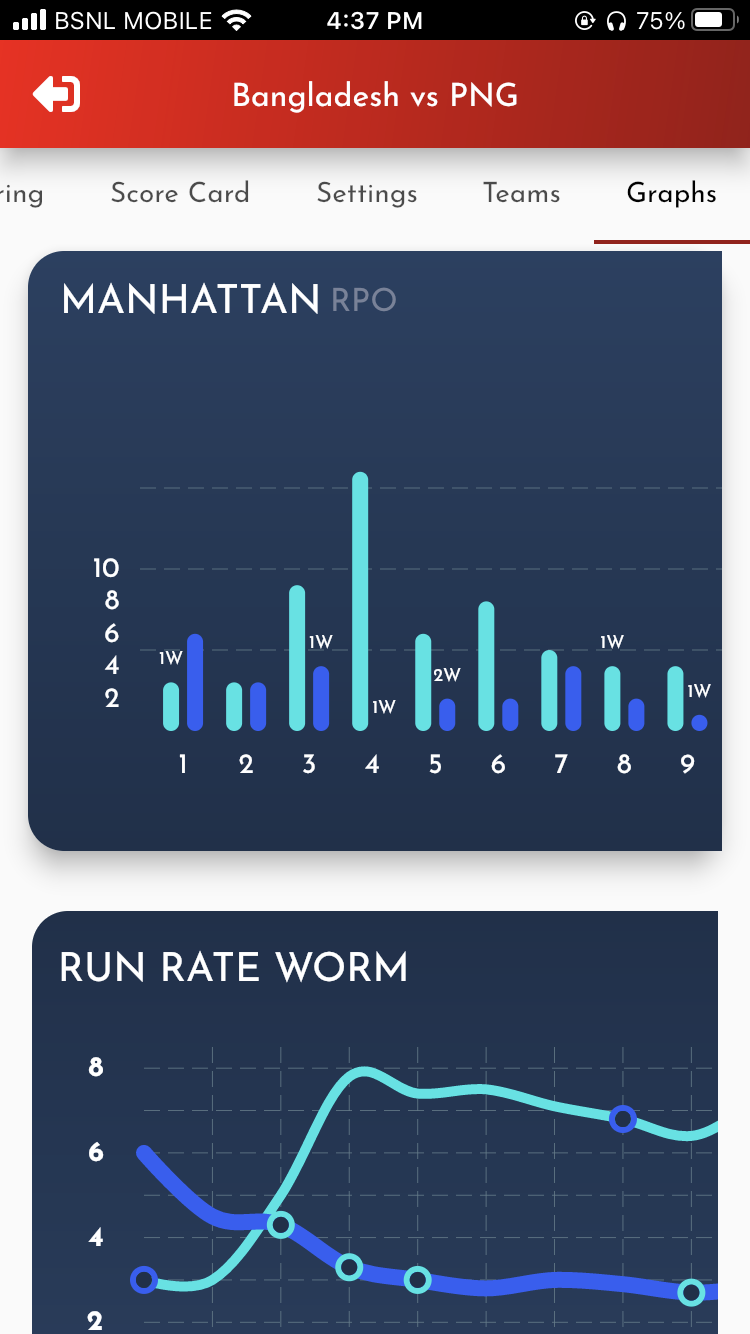
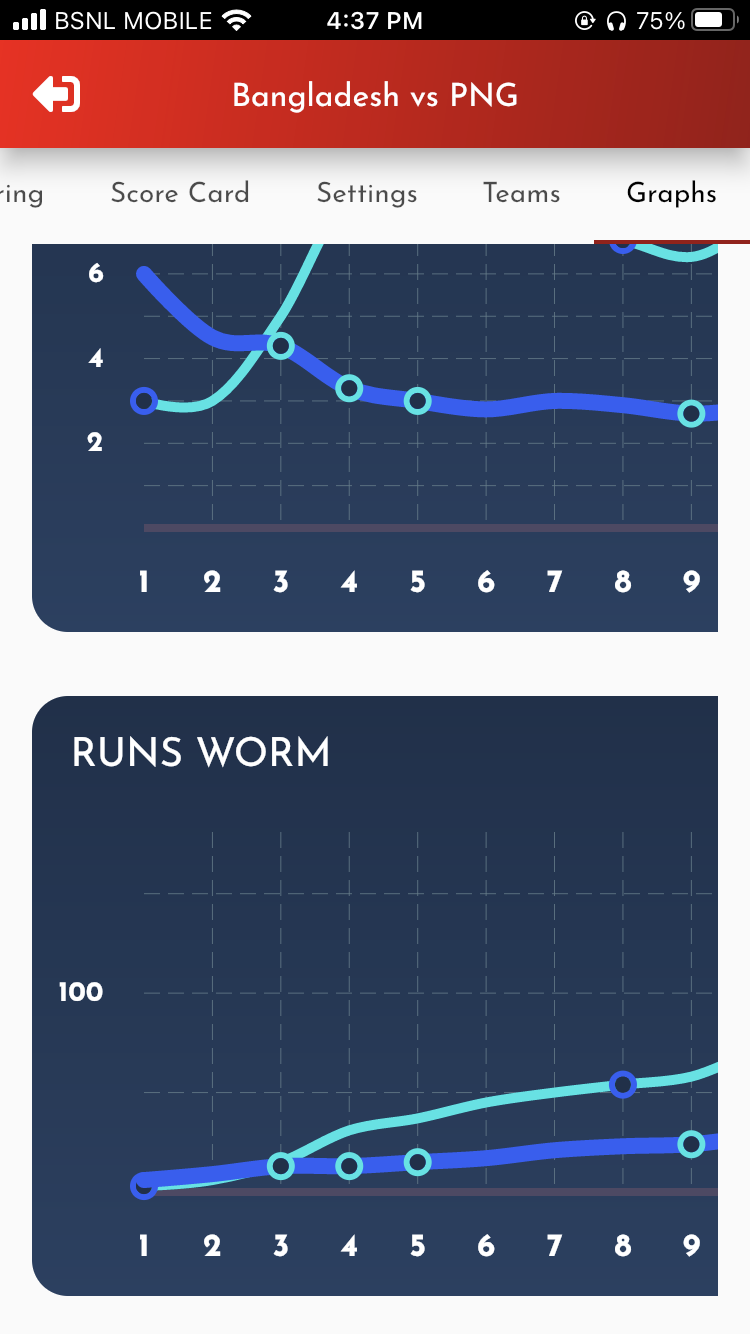
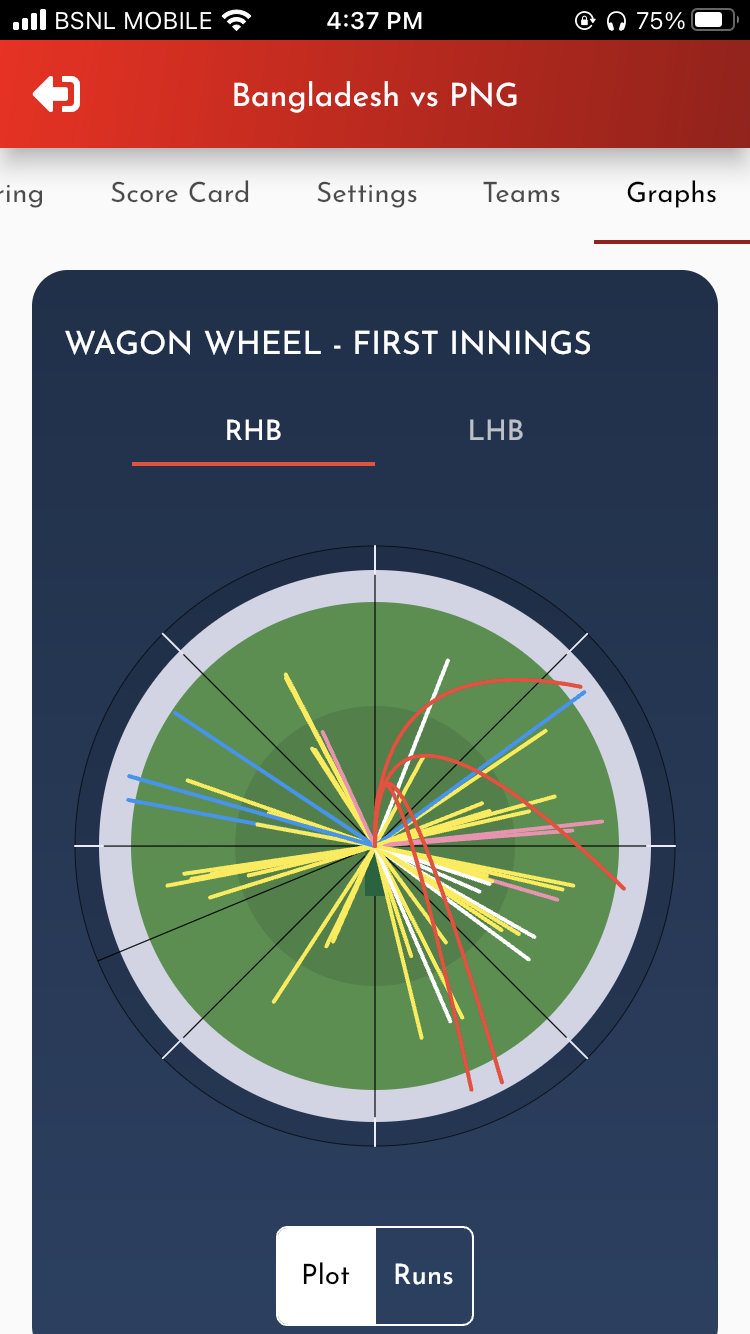
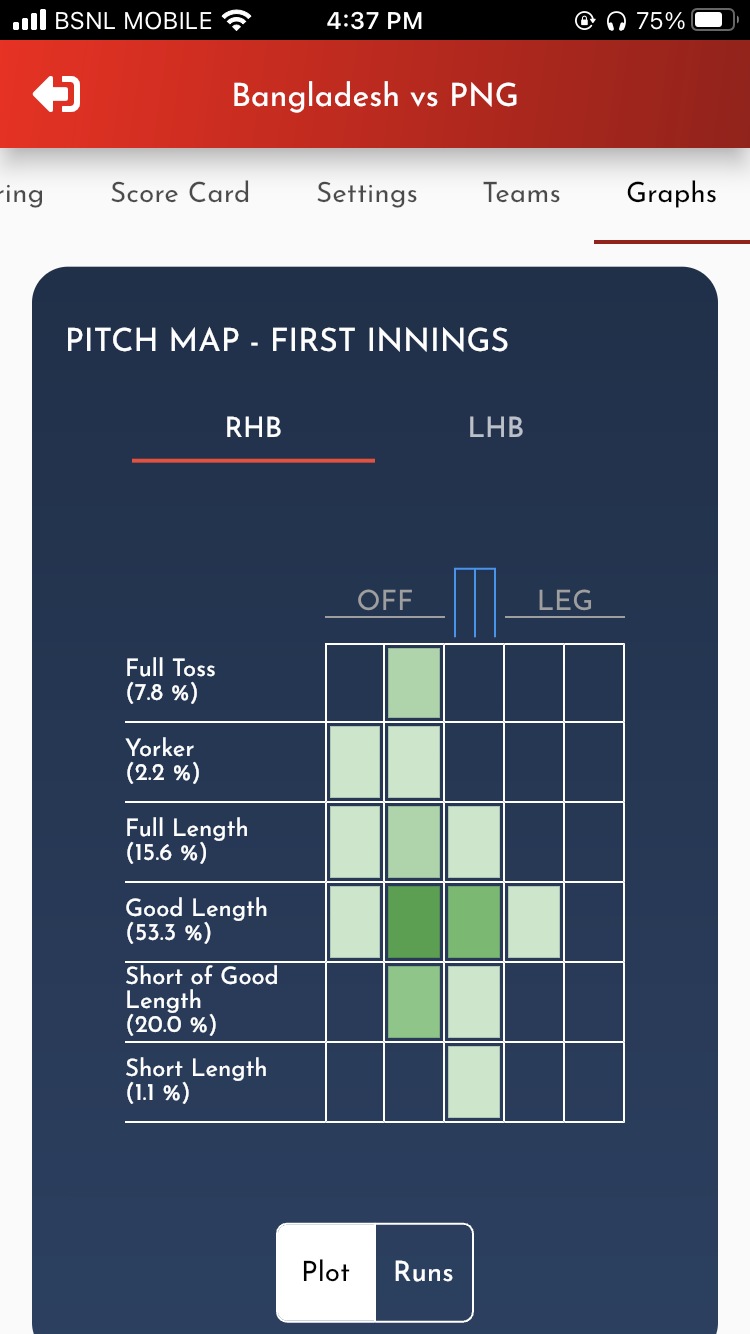
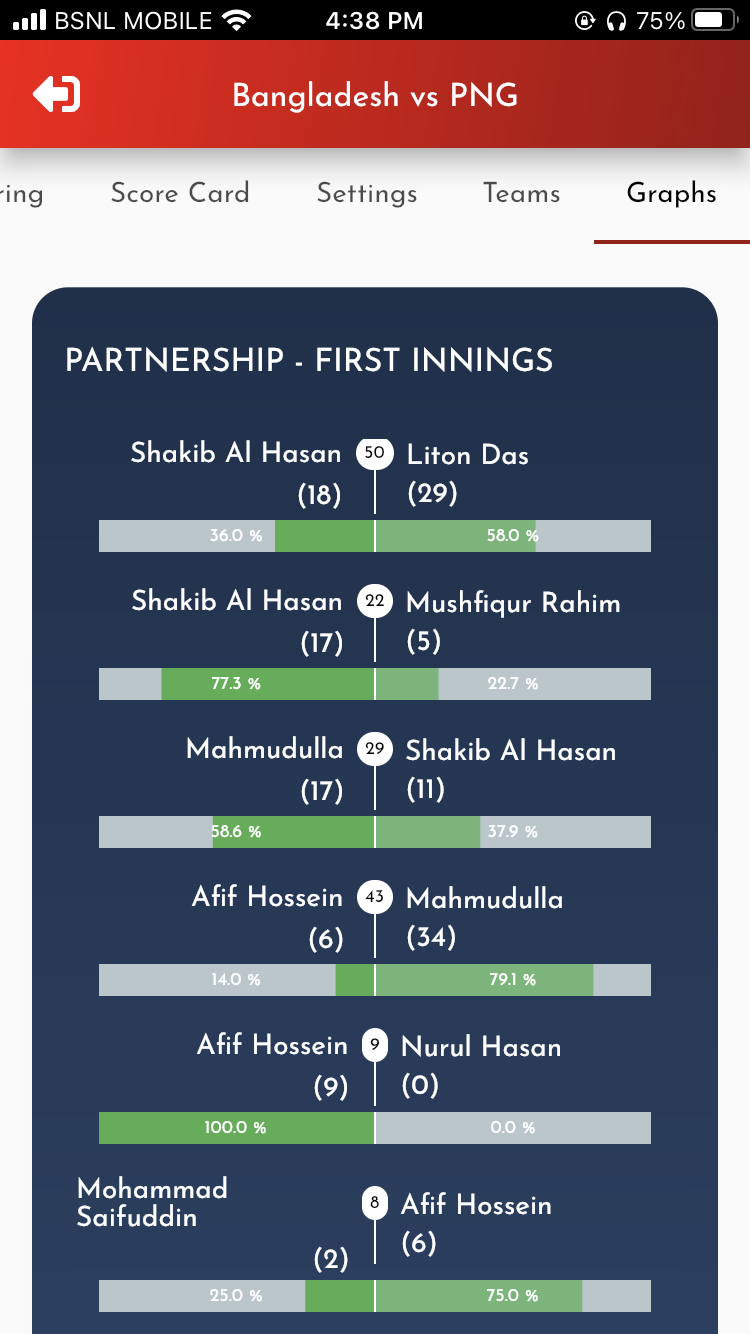
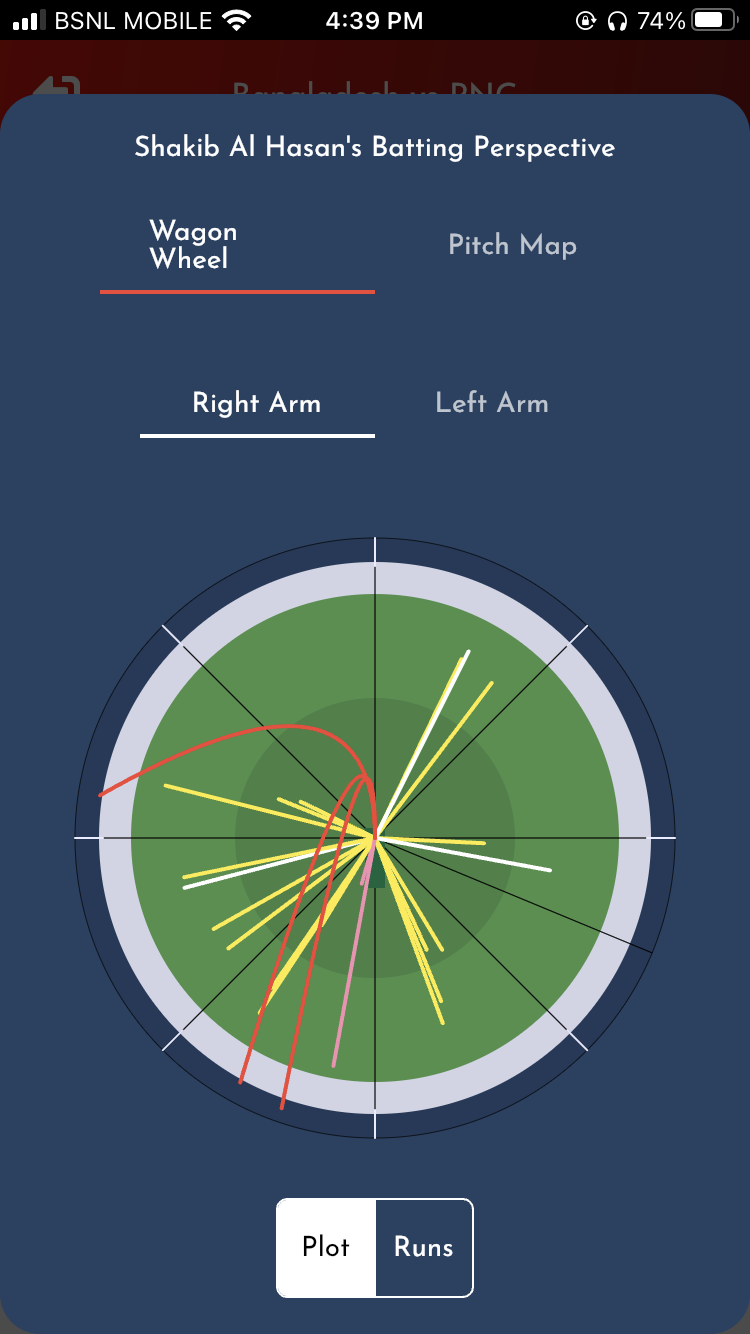
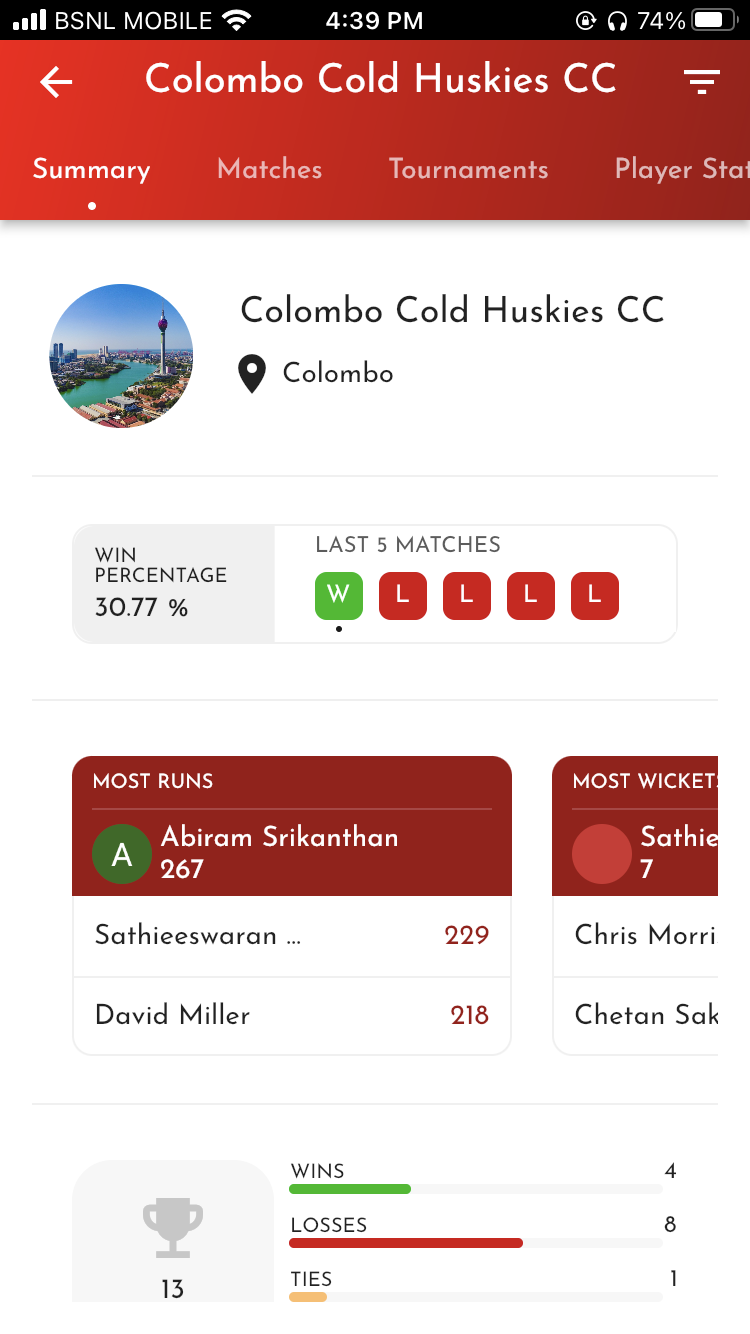


We are Vtrakit. We are about capturing and tracking every aspect of your game to help you make YOUR Cricket Count! Have a look at some of our exciting features.
How one accesses this digital landscape varies by skill and need. The most common method is graphical: opening File Explorer and clicking on “Local Disk (C:).” This presents a structured view of folders like Program Files , Windows , and Users —the holy trinity of system, applications, and personal data. For those needing deeper control, the Command Prompt or PowerShell offers text-based access, where commands like C: and dir reveal the drive’s contents with stark efficiency. For the truly advanced, accessing the C: drive might mean booting from a USB drive to repair a corrupted system, or using a remote desktop tool to manipulate files on a server hundreds of miles away. In every case, access is permission to touch the machine’s operating system.
In conclusion, the simple act of accessing the C: drive is a rite of passage. It is the first step from being a passive consumer of technology to an active steward of it. Whether done to install a program, recover a lost document, or troubleshoot a blue screen, opening the C: drive is a dialogue with the machine’s deepest layer. It commands respect, demands caution, and ultimately rewards the curious with a profound understanding that a computer is not magic—it is a beautifully organized set of files, waiting to be explored.
The C: drive’s dominance is a relic of history and a triumph of convention. In the era of MS-DOS, the A: and B: drives were reserved for floppy disks. When hard drives became standard, they were assigned the next letter: C. This naming convention has persisted for four decades, making the C: drive a universal shorthand for a computer’s primary internal storage. To “access the C drive” is to bypass the curated interfaces of desktop icons and start menus, entering the raw file hierarchy where Windows (or Linux, or a dual-boot system) resides.