Dexter Knives Southbridge Ma πŸ†• Pro

During World War II, Dexter-Russell produced thousands of and M1910 trench knives (modified for close combat). The company received the Army-Navy β€œE” Award for production excellence. 5. Technological Innovation and the β€œGreen Handle” (1950–1990) The post-war era saw Dexter focus almost exclusively on foodservice and industrial cutlery . In 1956, the company introduced its iconic green polypropylene handle (a textured, slip-resistant grip) – a design that remains in production today. Unlike wooden or bone handles, the green poly handle was dishwasher-safe, cheap to mold, and easy to identify in busy kitchens.

In 1848, the firm was acquired by , a New England industrialist who renamed it the Dexter Edge Tool Company . Under Dexter’s leadership, the company shifted focus to high-quality, forged knives for leather workers, cobblers, and harness makers. Unlike many competitors who used lower-grade iron, Dexter adopted early crucible steel methods, imported in part from Sheffield, England. dexter knives southbridge ma

The 1920s brought a major shift: the adoption of . Dexter-Russell was among the first American cutlery firms to use high-carbon stainless (e.g., 420 and 440 series) for commercial knives. This allowed blades to hold an edge longer and resist corrosion – critical for fish, poultry, and fruit processing. During World War II, Dexter-Russell produced thousands of

Author: [Your Name] Date: April 14, 2026 Subject: Industrial History / American Manufacturing Abstract This paper examines the history, manufacturing methods, and lasting impact of Dexter Knives (originally the Dexter Company, later Dexter-Russell, Inc.) in Southbridge, Massachusetts. From its founding in 1818 as a producer of hand-forged cutlery for the leather industry to its evolution into a leading manufacturer of professional kitchen and industrial knives, Dexter represents a microcosm of American industrial development. The company’s reliance on local waterpower, skilled labor, and later high-alloy stainless steel production cemented Southbridge’s reputation as a β€œCutlery Capital” alongside its better-known neighbor, Springfield. This paper argues that Dexter’s longevity and focus on professional-end tools, rather than consumer mass markets, allowed it to survive foreign competition and deindustrialization that shuttered many New England cutlers. 1. Introduction Southbridge, Massachusetts, located in southern Worcester County, is rarely named in popular accounts of American industrial history. However, from the early 19th century, the town became a hub for edge tool and cutlery manufacturing. Among its most enduring firms is the Dexter Company (later Dexter-Russell). While the name β€œDexter” is best known today for the green-handled Dexter-Russell knives found in commercial kitchens, butcher shops, and fish processing plants, its origins lie in 19th-century leatherworking and shoe trades. This paper traces the firm’s evolution from a small water-powered forge to a global brand in professional cutlery. 2. Founding and Early Years (1818–1860) The Dexter Company traces its roots to 1818 when a blacksmith named Henry Harrington established a small edge tool works along the Quinebaug River in Southbridge. Initially, the operation produced awls, blades, and shears for the shoe and leather industries – a critical sector in early Massachusetts manufacturing. In 1848, the firm was acquired by ,

By 1970, Dexter-Russell had captured approximately 40% of the US commercial kitchen knife market. Competitors like and Ontario Knife focused on hunting or consumer lines, but Dexter stayed with meatpacking plants, restaurants, and institutional cafeterias.

dexter knives southbridge ma

> 30 Π»Π΅Ρ‚ Π½Π°Β Ρ€Ρ‹Π½ΠΊΠ΅

> 800 тыс. Ρ€Π°Π±ΠΎΡ‡ΠΈΡ… мСст Π²Β Π±Π°Π·Π΅

> 60 собствСнных Ρ€Π°Π·Ρ€Π°Π±ΠΎΡ‚ΠΎΠΊ

> 2 ΠΌΠ»Π½. Π²Ρ‹Π΄Π°Π½Π½Ρ‹Ρ… Π»ΠΈΡ†Π΅Π½Π·ΠΈΠΉ

Β 

During World War II, Dexter-Russell produced thousands of and M1910 trench knives (modified for close combat). The company received the Army-Navy β€œE” Award for production excellence. 5. Technological Innovation and the β€œGreen Handle” (1950–1990) The post-war era saw Dexter focus almost exclusively on foodservice and industrial cutlery . In 1956, the company introduced its iconic green polypropylene handle (a textured, slip-resistant grip) – a design that remains in production today. Unlike wooden or bone handles, the green poly handle was dishwasher-safe, cheap to mold, and easy to identify in busy kitchens.

In 1848, the firm was acquired by , a New England industrialist who renamed it the Dexter Edge Tool Company . Under Dexter’s leadership, the company shifted focus to high-quality, forged knives for leather workers, cobblers, and harness makers. Unlike many competitors who used lower-grade iron, Dexter adopted early crucible steel methods, imported in part from Sheffield, England.

The 1920s brought a major shift: the adoption of . Dexter-Russell was among the first American cutlery firms to use high-carbon stainless (e.g., 420 and 440 series) for commercial knives. This allowed blades to hold an edge longer and resist corrosion – critical for fish, poultry, and fruit processing.

Author: [Your Name] Date: April 14, 2026 Subject: Industrial History / American Manufacturing Abstract This paper examines the history, manufacturing methods, and lasting impact of Dexter Knives (originally the Dexter Company, later Dexter-Russell, Inc.) in Southbridge, Massachusetts. From its founding in 1818 as a producer of hand-forged cutlery for the leather industry to its evolution into a leading manufacturer of professional kitchen and industrial knives, Dexter represents a microcosm of American industrial development. The company’s reliance on local waterpower, skilled labor, and later high-alloy stainless steel production cemented Southbridge’s reputation as a β€œCutlery Capital” alongside its better-known neighbor, Springfield. This paper argues that Dexter’s longevity and focus on professional-end tools, rather than consumer mass markets, allowed it to survive foreign competition and deindustrialization that shuttered many New England cutlers. 1. Introduction Southbridge, Massachusetts, located in southern Worcester County, is rarely named in popular accounts of American industrial history. However, from the early 19th century, the town became a hub for edge tool and cutlery manufacturing. Among its most enduring firms is the Dexter Company (later Dexter-Russell). While the name β€œDexter” is best known today for the green-handled Dexter-Russell knives found in commercial kitchens, butcher shops, and fish processing plants, its origins lie in 19th-century leatherworking and shoe trades. This paper traces the firm’s evolution from a small water-powered forge to a global brand in professional cutlery. 2. Founding and Early Years (1818–1860) The Dexter Company traces its roots to 1818 when a blacksmith named Henry Harrington established a small edge tool works along the Quinebaug River in Southbridge. Initially, the operation produced awls, blades, and shears for the shoe and leather industries – a critical sector in early Massachusetts manufacturing.

By 1970, Dexter-Russell had captured approximately 40% of the US commercial kitchen knife market. Competitors like and Ontario Knife focused on hunting or consumer lines, but Dexter stayed with meatpacking plants, restaurants, and institutional cafeterias.
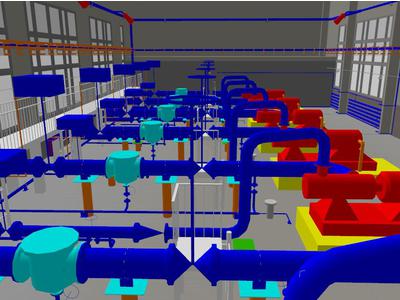
ΠŸΡ€ΠΎΠ΅ΠΊΡ‚Ρ‹ CSoft для ΡΡ‚Ρ€ΠΎΠΈΡ‚Π΅Π»ΡŒΡΡ‚Π²Π°

CSoft – это сотни Ρ€Π΅Π°Π»ΠΈΠ·ΠΎΠ²Π°Π½Π½Ρ‹Ρ… комплСксных ΠΏΡ€ΠΎΠ΅ΠΊΡ‚ΠΎΠ², собствСнныС ΠΌΠ΅Ρ‚ΠΎΠ΄ΠΈΠΊΠΈ обслСдования ΠΎΡ€Π³Π°Π½ΠΈΠ·Π°Ρ†ΠΈΠΉ ΠΈ внСдрСния конструкторских, тСхнологичСских ΠΈ производствСнных Ρ€Π΅ΡˆΠ΅Π½ΠΈΠΉ, ΠΎΠΏΡ‹Ρ‚ создания стандартов Π² области Π΄ΠΎΠΊΡƒΠΌΠ΅Π½Ρ‚ΠΎΠΎΠ±ΠΎΡ€ΠΎΡ‚Π°, элСктронного Π°Ρ€Ρ…ΠΈΠ²Π° тСхничСской Π΄ΠΎΠΊΡƒΠΌΠ΅Π½Ρ‚Π°Ρ†ΠΈΠΈ, БАПР ΠΈ PLM, спСциализированныС Ρ€Π΅ΡˆΠ΅Π½ΠΈΡ для Π·Π°ΠΊΠ°Π·Ρ‡ΠΈΠΊΠΎΠ² ΠΈΠ· самых Ρ€Π°Π·Π½Ρ‹Ρ… отраслСй. Компания Π΄ΠΎΠ»Π³ΠΈΠ΅ Π³ΠΎΠ΄Ρ‹ объСдинявшая ΠΎΠΏΡ‹Ρ‚ ΠΌΠΈΡ€ΠΎΠ²Ρ‹Ρ… ΠΈ собствСнных Ρ€Π°Π·Ρ€Π°Π±ΠΎΡ‚ΠΎΠΊ, Π½Π° Ρ‚Π΅ΠΊΡƒΡ‰ΠΈΠΉ ΠΌΠΎΠΌΠ΅Π½Ρ‚ взяла курс Π½Π° созданиС Ρ€Π΅ΡˆΠ΅Π½ΠΈΠΉ Π½Π° основС отСчСствСнных Ρ‚Π΅Ρ…Π½ΠΎΠ»ΠΎΠ³ΠΈΠΉ.

Π“Ρ€Π°ΠΌΠΎΡ‚Π½Ρ‹Π΅ ΠΈΠΌΠΏΠΎΡ€Ρ‚ΠΎΠ·Π°ΠΌΠ΅Ρ‰Π°ΡŽΡ‰ΠΈΠ΅ Ρ€Π΅ΡˆΠ΅Π½ΠΈΡ для Ρ†ΠΈΡ„Ρ€ΠΎΠ²ΠΈΠ·Π°Ρ†ΠΈΠΈ производства

ΠŸΡ€ΠΎΠ³Ρ€Π°ΠΌΠΌΠ½Ρ‹Π΅ Ρ€Π΅ΡˆΠ΅Π½ΠΈΡ российского производства Π°ΠΊΠΊΡƒΠΌΡƒΠ»ΠΈΡ€ΡƒΡŽΡ‚ Π»ΡƒΡ‡ΡˆΠΈΠΉ ΠΌΠΈΡ€ΠΎΠ²ΠΎΠΉ ΠΎΠΏΡ‹Ρ‚ ΠΈ созданы с ΡƒΡ‡Π΅Ρ‚ΠΎΠΌ российских стандартов. Π­Ρ‚ΠΎ позволяСт максимально эффСктивно ΡƒΠΏΡ€Π°Π²Π»ΡΡ‚ΡŒ производствСнным процСссом.

TechnologiCS - полноцСнная систСма PLM российского производства, обСспСчиваСт Π½Π΅ΠΏΡ€Π΅Ρ€Ρ‹Π²Π½ΡƒΡŽ ΠΈΠ½Ρ„ΠΎΡ€ΠΌΠ°Ρ†ΠΈΠΎΠ½Π½ΡƒΡŽ ΠΏΠΎΠ΄Π΄Π΅Ρ€ΠΆΠΊΡƒ ΠΊΠ»ΡŽΡ‡Π΅Π²Ρ‹Ρ… бизнСс-процСссов.

PoligonSoft - CAE - Ρ€Π΅ΡˆΠ΅Π½ΠΈΠ΅ для мСталлургичСской отрасли. ΠŸΡ€ΠΎΡ„Π΅ΡΡΠΈΠΎΠ½Π°Π»ΡŒΠ½Ρ‹ΠΉ инструмСнт для создания ΠΈ ΠΎΠΏΡ‚ΠΈΠΌΠΈΠ·Π°Ρ†ΠΈΠΈ Π»ΠΈΡ‚Π΅ΠΉΠ½ΠΎΠΉ Ρ‚Π΅Ρ…Π½ΠΎΠ»ΠΎΠ³ΠΈΠΈ.

Β 

Новости

ΠœΡ‹ Π°ΠΊΡ‚ΠΈΠ²Π½ΠΎ развиваСмся ΠΈ дСлимся самыми соврСмСнными Ρ€Π°Π·Ρ€Π°Π±ΠΎΡ‚ΠΊΠ°ΠΌΠΈ для Ρ†ΠΈΡ„Ρ€ΠΎΠ²ΠΈΠ·Π°Ρ†ΠΈΠΈ производства. Π£Π·Π½Π°Π²Π°ΠΉΡ‚Π΅ ΠΎ послСдних новостях ΠΊΠΎΠΌΠΏΠ°Π½ΠΈΠΈ, ΠΏΡ€ΠΈΡΠΎΠ΅Π΄ΠΈΠ½ΡΠΉΡ‚Π΅ΡΡŒ ΠΊ нашим мСроприятиям ΠΈ Π±ΡƒΠ΄ΡŒΡ‚Π΅ Π² курсС.

Model Studio CS ΠžΡ‚ΠΎΠΏΠ»Π΅Π½ΠΈΠ΅ ΠΈ вСнтиляция

Π“Ρ€ΡƒΠΏΠΏΠ° ΠΊΠΎΠΌΠΏΠ°Π½ΠΈΠΉ CSoft ΠΏΡ€Π΅Π΄Π»Π°Π³Π°Π΅Ρ‚ комплСксныС Ρ€Π΅ΡˆΠ΅Π½ΠΈΡ для Π°Π²Ρ‚ΠΎΠΌΠ°Ρ‚ΠΈΠ·Π°Ρ†ΠΈΠΈ производства.

Наши вакансии на HeadHunter