Here's the paradox: Most Porki movies end with the hero revealing he was an undercover cop or had a noble cause all along. Why? Because pure chaos is unsustainable. The deep message is that rebellion without direction destroys the rebel too. The "secret goodness" of the Porki (e.g., he donates money to orphans, he only kills criminals) is not a cop-out—it's a philosophical anchor. It says: You can break the system's rules, but you cannot break your own soul's code.
That is the deep, unsettling, and beautiful truth of the Porki movie. If you meant a different film (like Porky's or a specific regional movie), let me know and I’ll tailor the deep dive accordingly.
Society teaches us to be lawful, polite, and predictable. Yet, the Porki character (like Pandu in Pokiri ) operates on a raw, unfiltered code of survival. He isn't evil; he's pragmatic. He takes money from gangsters, beats up goons, but never harms an innocent. His "wickedness" is actually a rejection of performative morality. In a world where corruption wears a suit and tie, the Porki is honest about his selfishness—and that brutal honesty is oddly refreshing.
Given the request for , I’ll assume you meant Pokiri (which means "Rogue" or "Wicked Man"), as it offers rich thematic material. If you meant Porky's , let me know, but here’s a deep take on the spirit of a "Porki" (a rogue) in cinema and society. Deep Content: "The 'Porki' Archetype – Why the Flawed Hero is the Only Honest Mirror" At first glance, a "Porki" movie—whether Pokiri or any story centered on a street-smart, morally ambiguous anti-hero—seems like pure mass entertainment: fights, swagger, and a hero who breaks rules. But beneath the surface lies a profound psychological and social commentary.
The Porki exposes the lie that goodness equals weakness. He shows that sometimes, to protect what matters, you must become what society fears.
MASSAGE
SEND
×The message has been sent!
In the near future we will reply to you.
Regards WDS
|
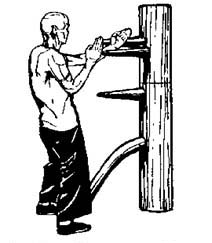
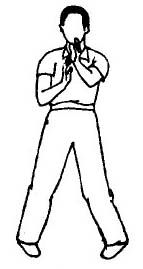
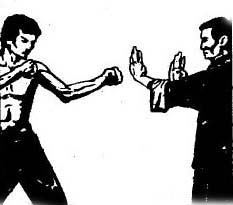
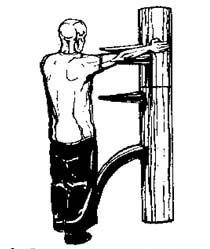
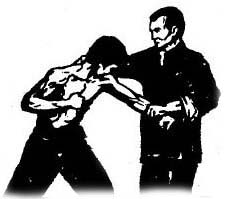
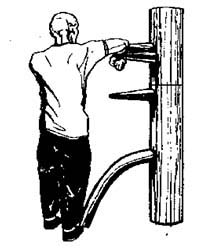
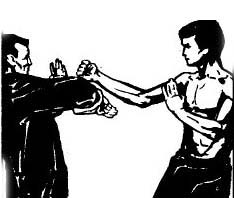
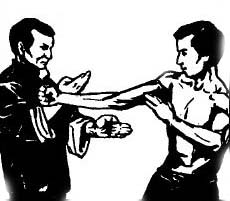
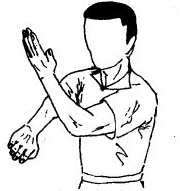
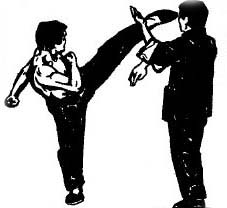
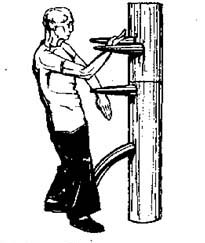
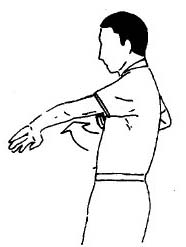
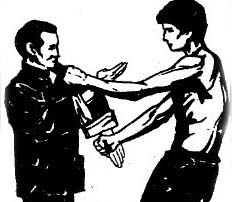
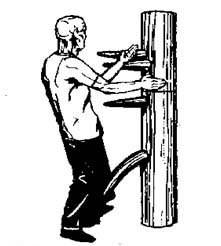
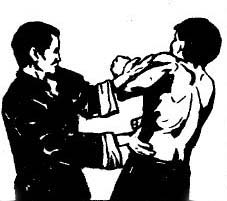
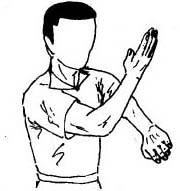
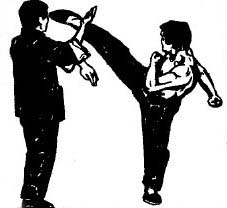
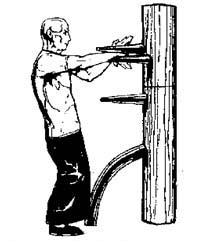
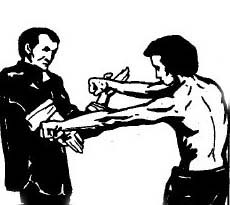
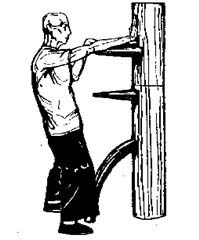
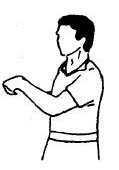
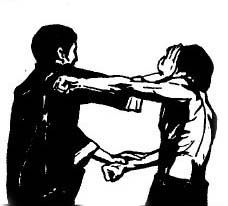
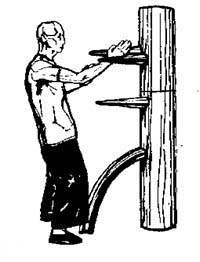
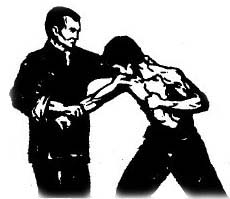
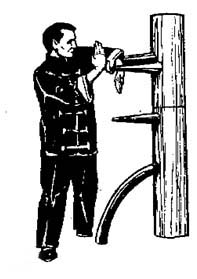
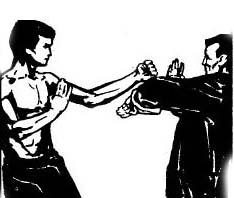
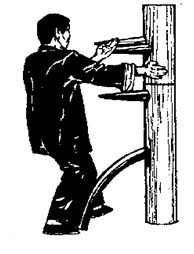
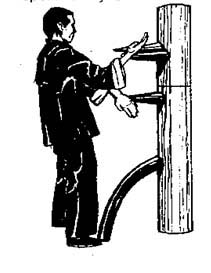
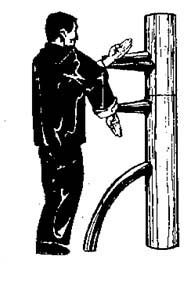
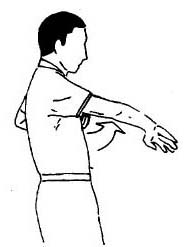
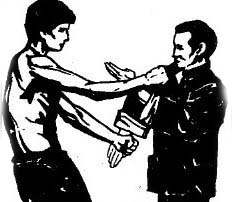
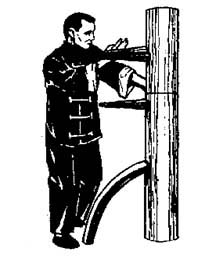
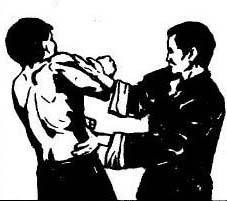
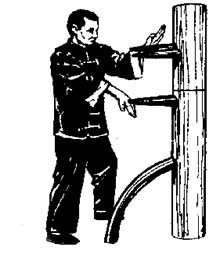
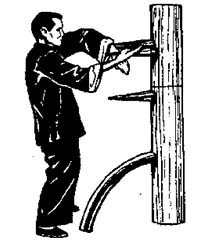
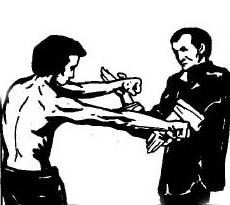
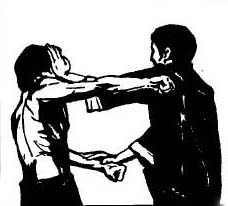
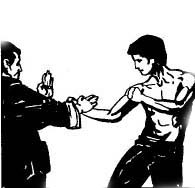
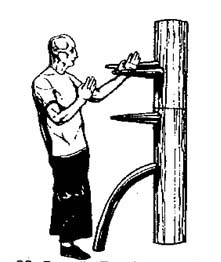
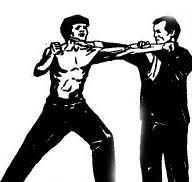
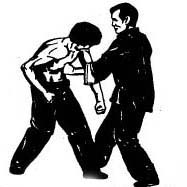
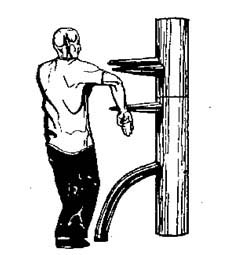
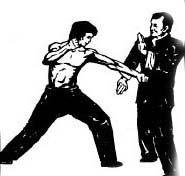
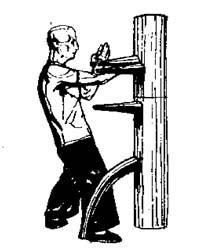
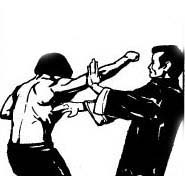
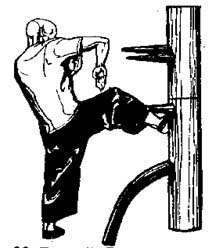
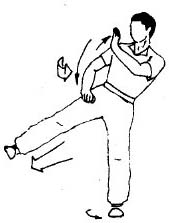
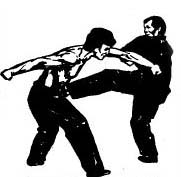
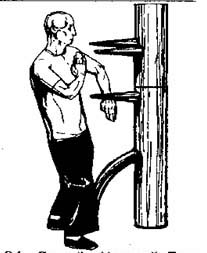
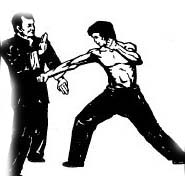
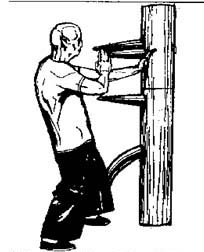
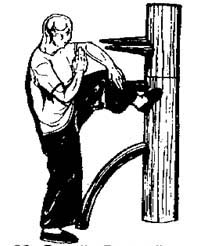
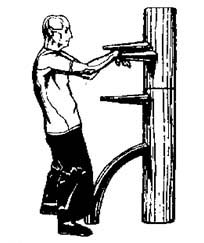
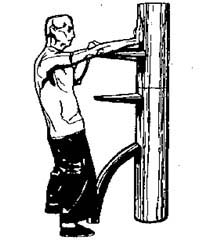
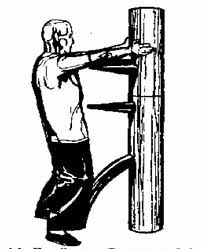
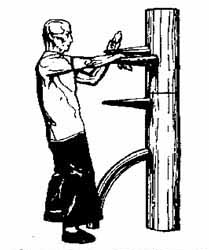
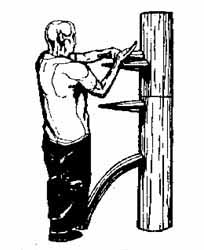
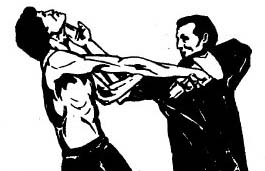
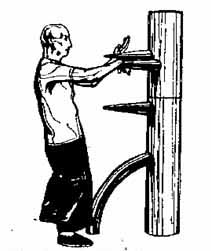
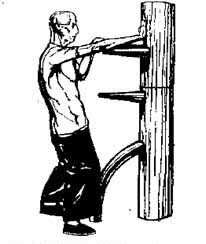
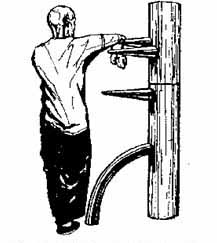
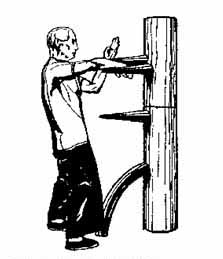
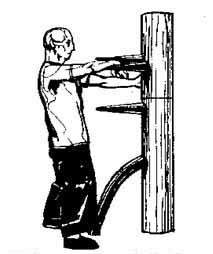
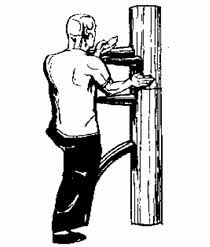
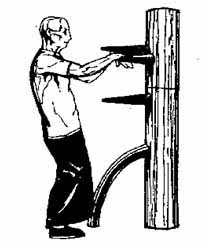
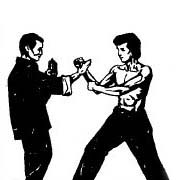
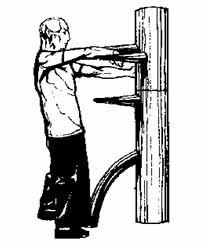
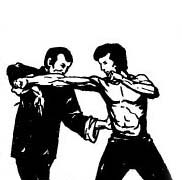
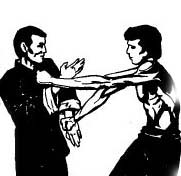
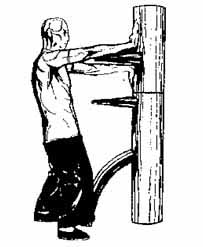
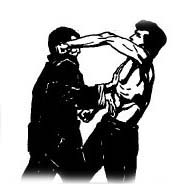
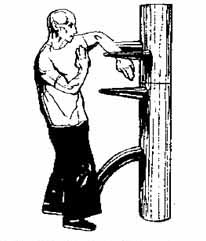
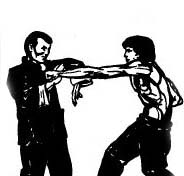
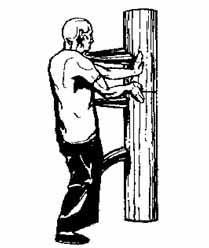
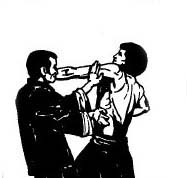
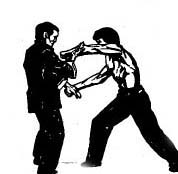
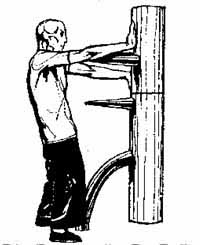
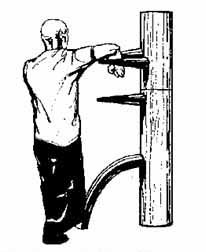
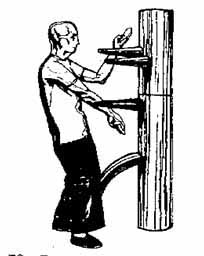
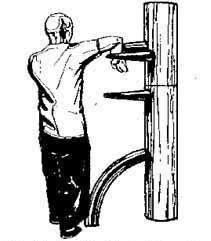
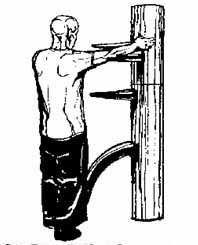
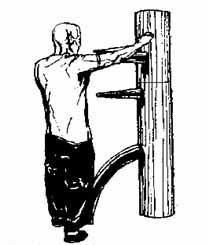
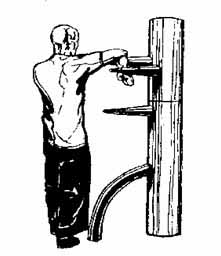
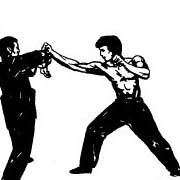
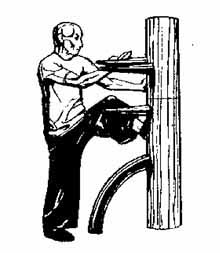
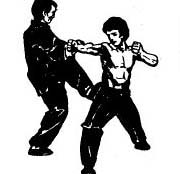
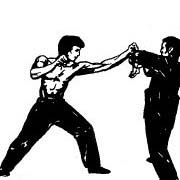
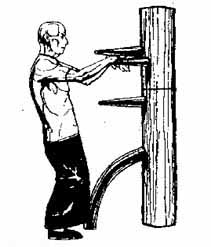
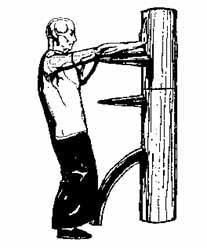
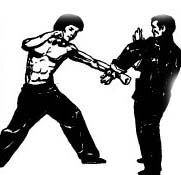
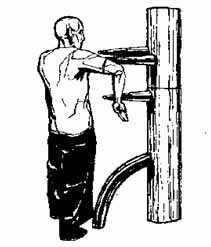
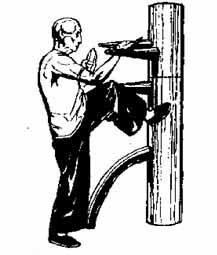
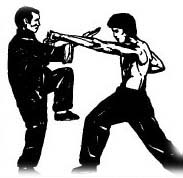
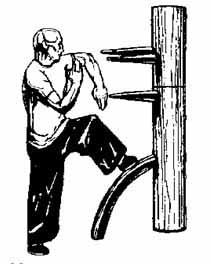
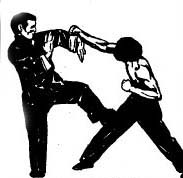
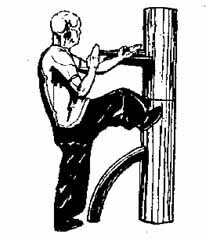
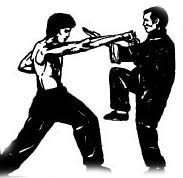
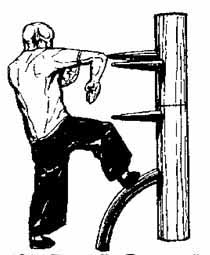
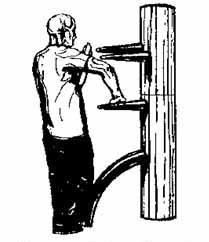
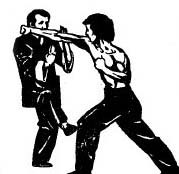
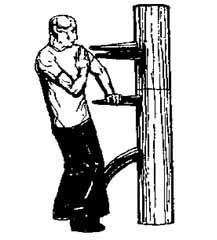
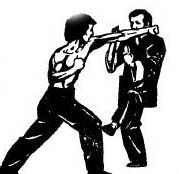
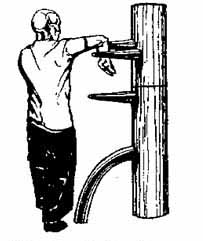
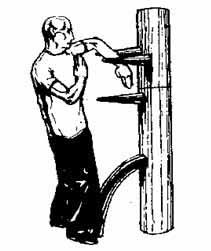
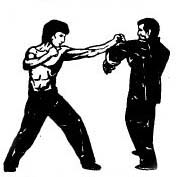
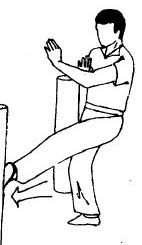
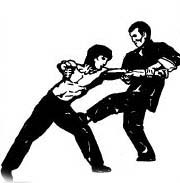
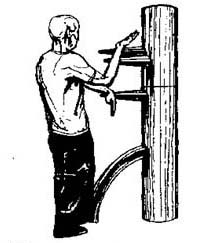
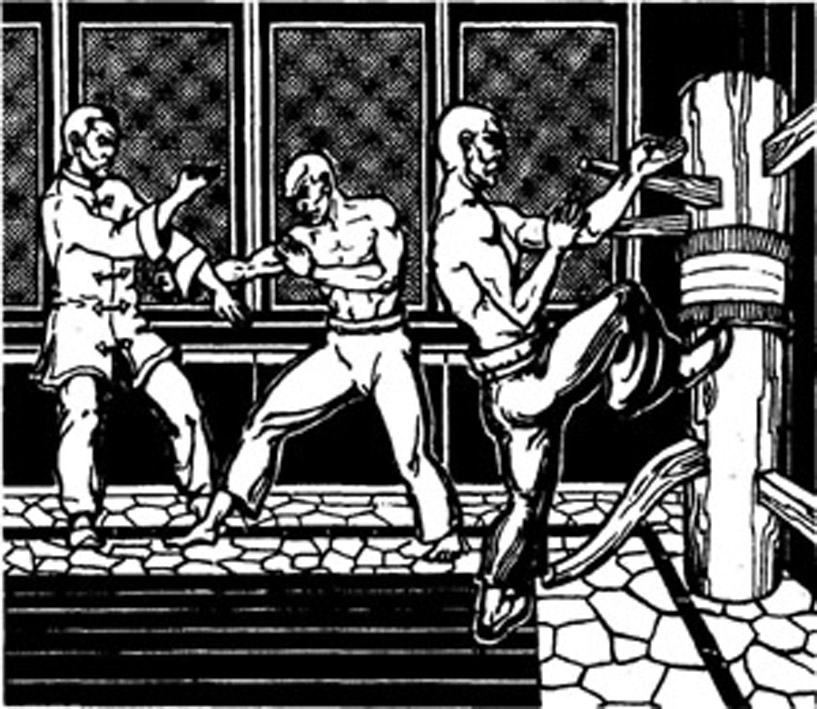
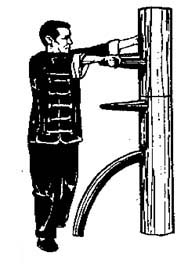
The Dummy - a versatile design, the system of life and knowledge generated of nowhere. The story of the dummy requires a separate investigation and treatment of the ancient treatises, and primary sources. But enough evidence to suggest that the history of a WD the longer of Wing Chun history as an independent style. Will there be a dummy to before create a Wing Chun or Wing Chun has appeared before - difficult to resolve the problem, which requires special studies.

|
| SECTION 1 | ||
![]() |
![]() |
![]() |
![]() |
![]() |
![]() |
![]() |
![]() |
![]() |
![]() |
![]() ![]() |
![]() |
![]() |
![]() |
![]() |
![]() |
![]() ![]() |
![]() |
![]() |
![]() ![]() |
![]() |
![]() |
![]() |
![]() |
![]() |
![]() |
![]() |
![]() |
![]() |
![]() |
| SECTION 2 | ||
![]() |
![]() |
![]() |
![]() |
![]() |
![]() |
![]() |
![]() |
![]() |
![]() |
![]() ![]() |
![]() |
![]() |
![]() |
![]() |
![]() |
![]() ![]() |
![]() |
![]() |
![]() ![]() |
![]() |
![]() |
![]() |
![]() |
![]() |
![]() |
![]() |
![]() |
![]() |
![]() |
| SECTION 3 | ||
![]() |
![]() |
![]() |
![]() |
![]() |
![]() |
![]() |
![]() |
![]() |
![]() |
![]() |
![]() |
![]() |
![]() |
![]() |
![]() |
![]() ![]() |
![]() |
![]() |
![]() |
![]() |
![]() |
![]() |
![]() |
![]() |
![]() ![]() |
![]() |
![]() |
||
| SECTION 4 | ||
![]() |
![]() |
![]() |
![]() |
![]() |
![]() |
![]() |
![]() |
![]() |
![]() |
![]() |
![]() |
![]() |
![]() ![]() |
![]() |
![]() |
![]() |
![]() |
![]() |
![]() |
![]() |
![]() |
![]() |
![]() |
![]() |
![]() |
![]() |
| SECTION 5 | ||
![]() |
![]() ![]() |
![]() |
![]() |
![]() ![]() |
![]() |
![]() |
![]() ![]() |
![]() |
![]() |
![]() ![]() |
![]() |
![]() |
![]() ![]() |
![]() |
![]() |
![]() ![]() |
![]() |
![]() |
![]() |
![]() |
![]() |
![]() |
![]() |
![]() |
![]() |
![]() |
![]() |
![]() |
![]() |
![]() |
![]() |
![]() |
![]() |
![]() |
![]() |
![]() |
![]() |
![]() |
![]() |
![]() |
![]() |
![]() |
![]() |
![]() |
![]() |
![]() |
![]() |
![]() |
![]() ![]() |
![]() |
![]() |
![]() |
![]() |
![]() |
![]() ![]() |
![]() |
![]() |
![]() |
![]() |
![]() |
![]() |
![]() |
![]() |
![]() |
![]() |
| SECTION 6 | ||
![]() |
![]() |
![]() |
![]() |
![]() |
![]() |
![]() |
![]()
|
![]() |
![]() |
![]() |
![]() |
![]() |
![]() |
![]() |
![]() |
![]() ![]() |
![]() |
![]() |
![]() |
![]() |
![]() |
![]() ![]()
|
![]() |
![]() |
![]() |
![]() |
![]() |
![]() ![]()
|
![]() |
![]() |
![]() |
![]() |
![]() |
![]() ![]()
|
![]() |
![]() |
![]() |
![]() |
![]() |
![]() |
![]() |
![]() |
![]() |
![]() |
| SECTION 7 | ||
![]() |
![]() |
![]() |
![]() |
![]() |
![]() |
![]() |
![]() |
![]() |
![]() |
![]() ![]() |
![]() |
![]() |
![]() |
![]() |
![]() |
![]() |
![]() |
![]() |
![]() ![]() |
![]() |
![]() |
![]() |
![]() |
![]() |
![]() |
![]() |
![]() |
![]() ![]() |
![]() |
![]() |
![]() |
![]() |
![]() |
![]() ![]() |
![]() |
![]() |
![]() |
![]() |
![]() |
![]() |
![]() |
![]() |
![]() |
![]() |
| SECTION 8 | ||
![]() |
![]() |
![]() |
![]() |
![]() |
![]() |
![]() |
![]() |
![]() |
![]() |
![]() ![]() |
![]() |
![]() |
![]() |
![]() |
![]() |
![]() |
![]() |
![]() |
![]() |
![]() |
![]() |
![]() |
![]() |
![]() |
![]() ![]() |
![]() |
![]() |
![]() |
![]() |
![]() |
![]() |
![]() |
![]() |
![]() ![]() |
![]() |
![]() |
![]() |
![]() |
![]() |
![]() ![]() |
![]() |
![]() |
![]() |
![]() |
![]() |
![]() ![]() |
![]() |
![]() |
![]() |
![]() |
![]() |
![]() ![]() |
![]() |
![]() |
![]() |
![]() |
![]() |
![]() ![]() |
![]() |
![]() |
![]() |
![]() |
![]() |
![]() |
![]() |
![]() |
![]() |
![]() |
![]() |
![]() |
![]() |
![]() |
![]() |
![]() |
Here's the paradox: Most Porki movies end with the hero revealing he was an undercover cop or had a noble cause all along. Why? Because pure chaos is unsustainable. The deep message is that rebellion without direction destroys the rebel too. The "secret goodness" of the Porki (e.g., he donates money to orphans, he only kills criminals) is not a cop-out—it's a philosophical anchor. It says: You can break the system's rules, but you cannot break your own soul's code.
That is the deep, unsettling, and beautiful truth of the Porki movie. If you meant a different film (like Porky's or a specific regional movie), let me know and I’ll tailor the deep dive accordingly. porki movie
Society teaches us to be lawful, polite, and predictable. Yet, the Porki character (like Pandu in Pokiri ) operates on a raw, unfiltered code of survival. He isn't evil; he's pragmatic. He takes money from gangsters, beats up goons, but never harms an innocent. His "wickedness" is actually a rejection of performative morality. In a world where corruption wears a suit and tie, the Porki is honest about his selfishness—and that brutal honesty is oddly refreshing. Here's the paradox: Most Porki movies end with
Given the request for , I’ll assume you meant Pokiri (which means "Rogue" or "Wicked Man"), as it offers rich thematic material. If you meant Porky's , let me know, but here’s a deep take on the spirit of a "Porki" (a rogue) in cinema and society. Deep Content: "The 'Porki' Archetype – Why the Flawed Hero is the Only Honest Mirror" At first glance, a "Porki" movie—whether Pokiri or any story centered on a street-smart, morally ambiguous anti-hero—seems like pure mass entertainment: fights, swagger, and a hero who breaks rules. But beneath the surface lies a profound psychological and social commentary. The deep message is that rebellion without direction
The Porki exposes the lie that goodness equals weakness. He shows that sometimes, to protect what matters, you must become what society fears.