Find lightweight alternatives to premium software, portable applications, and specialized tools for Windows 7/8/10/11 and Android.
Popular searches: IDM, Filmora, Photoshop alternatives, MX Player
Midway through, the satire pivots to tragedy. A subplot involves the studio’s analytics department (walled behind one-way glass within the editing bay) feeding Matt real-time data about the test audience’s bladder control during long takes. Here, "BDSCR" transcends comedy. The script’s stage directions become frantic, littered with parentheticals like (Matt checks phone: stock down 4%) and (Director’s hand trembles over the Steenbeck) . The essayistic core of the episode reveals itself: art is no longer judged by catharsis but by retention curves. When the director finally screams, "You don’t want a film; you want a trailer that lasts two hours," the line lands as both a punchline and an elegy. The BDSCR format, typically a set of instructions for production, is subverted into a suicide note for the cinematic mid-budget drama.
The episode opens with a deceptively simple premise: Matt must convince a revered, arthouse director (a guest star playing a hyperbolic version of himself) to cut 22 minutes from his passion project to qualify for a lucrative international distribution deal. The BDSCR script reveals its genius in its use of space. Unlike previous episodes that utilized the sprawling studio lot, Episode 9 traps Matt and the director in a single, beige editing bay. The fluorescent lights flicker, mimicking the heartbeat of a dying film reel. The dialogue becomes a brutalist ballet; every time Matt suggests a cut for "pacing," the director responds by screening a ten-minute static shot of a tree. This absurdist stalemate is a masterful critique of the "BDSCR" format itself—a blueprint that demands action, yet documents paralysis. The episode suggests that the screenplay, as a document, is already a compromise, a ghost of the film that will be butchered by focus groups.
In conclusion, The Studio S01E09 (BDSCR) is a savage, brilliant essay in dramatic form about the erosion of the director’s voice. By confining its action to a single room and stripping away the glamour of production, the episode reveals the ugly, necessary negotiation between vision and viability. It posits that the "BDSCR"—the broadcast-ready final draft—is a mythological object; the real screenplay is written in boardrooms by algorithms and lawyers. For the character of Matt, the episode is a baptism by fire, proving that the greatest horror in Hollywood is not a box office bomb, but the quiet, polite murder of a single beautiful, unnecessary frame. The studio survives. The art does not.
The climax is a masterclass in anti-closure. Matt and the director compromise by splitting the difference: they will cut 11 minutes, but those minutes will be replaced by a QR code leading to the deleted scenes. As the episode ends, Matt walks out of the bay, past a line of interns manually adjusting the aspect ratio for vertical viewing on phones. The final shot of the BDSCR script is not a scene, but a single word: FADE TO BLACK—BUT NOT QUIET . The sound design indicates the hum of servers. This choice encapsulates the episode’s thesis: the studio is no longer a place of creation but a server farm processing nostalgia.
In the relentless, anxiety-ridden landscape of modern Hollywood satire, Apple TV+’s The Studio has carved a niche by transforming the executive suite into a war room of existential dread. While the series ostensibly follows studio head Matt Remick (Seth Rogen) as he tries to marry art with quarterly earnings, the hypothetical "Episode 9" of Season 1—draft script "BDSCR"—serves as the season’s devastating fulcrum. This episode does not merely depict the film industry’s chaos; it weaponizes it, forcing the viewer to question whether the auteur is a visionary or just a more articulate hostage of capitalism. Through its claustrophobic blocking, meta-textual dialogue, and a third-act collapse of logic, "BDSCR" argues that in the streaming era, the director’s cut is the final lie we tell ourselves before the algorithm wins.
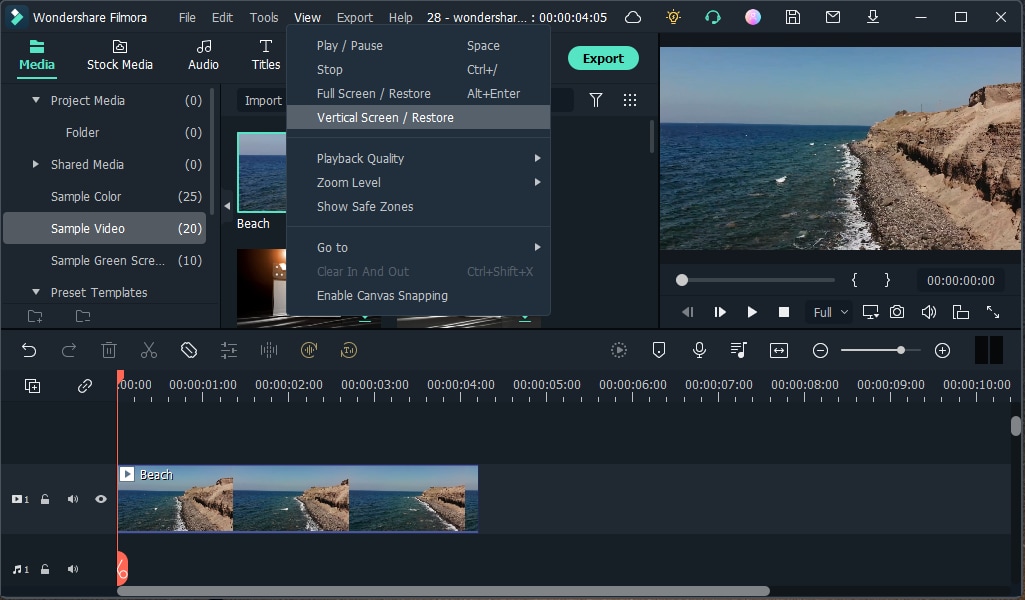
| Software Name | Version | Category | Date Added | Size | Windows | Downloads | Action |
|---|---|---|---|---|---|---|---|
|
|
14.0.7 | Video Editor | May 20, 2025 | 2.3 GB | 7/8/10/11 | 43.2K | Download |
|
|
6.42 Build 12 | Download Manager | May 18, 2025 | 8.5 MB | XP/7/8/10/11 | 87.5K | Download |
|
|
18.0 | Video Editor | May 15, 2025 | 3.7 GB | 10/11 | 32.1K | Download |
|
|
1.64.2 | Android Apps | May 12, 2025 | 41.2 MB | Android | 62.8K | Download |
|
|
2024 v23.4.3 | Screen Recorder | May 10, 2025 | 1.8 GB | 8/10/11 | 28.6K | Download |
|
|
4 Build 4152 | Text Editor | May 8, 2025 | 17.8 MB | 7/8/10/11 | 34.9K | Download |
Midway through, the satire pivots to tragedy. A subplot involves the studio’s analytics department (walled behind one-way glass within the editing bay) feeding Matt real-time data about the test audience’s bladder control during long takes. Here, "BDSCR" transcends comedy. The script’s stage directions become frantic, littered with parentheticals like (Matt checks phone: stock down 4%) and (Director’s hand trembles over the Steenbeck) . The essayistic core of the episode reveals itself: art is no longer judged by catharsis but by retention curves. When the director finally screams, "You don’t want a film; you want a trailer that lasts two hours," the line lands as both a punchline and an elegy. The BDSCR format, typically a set of instructions for production, is subverted into a suicide note for the cinematic mid-budget drama.
The episode opens with a deceptively simple premise: Matt must convince a revered, arthouse director (a guest star playing a hyperbolic version of himself) to cut 22 minutes from his passion project to qualify for a lucrative international distribution deal. The BDSCR script reveals its genius in its use of space. Unlike previous episodes that utilized the sprawling studio lot, Episode 9 traps Matt and the director in a single, beige editing bay. The fluorescent lights flicker, mimicking the heartbeat of a dying film reel. The dialogue becomes a brutalist ballet; every time Matt suggests a cut for "pacing," the director responds by screening a ten-minute static shot of a tree. This absurdist stalemate is a masterful critique of the "BDSCR" format itself—a blueprint that demands action, yet documents paralysis. The episode suggests that the screenplay, as a document, is already a compromise, a ghost of the film that will be butchered by focus groups.
In conclusion, The Studio S01E09 (BDSCR) is a savage, brilliant essay in dramatic form about the erosion of the director’s voice. By confining its action to a single room and stripping away the glamour of production, the episode reveals the ugly, necessary negotiation between vision and viability. It posits that the "BDSCR"—the broadcast-ready final draft—is a mythological object; the real screenplay is written in boardrooms by algorithms and lawyers. For the character of Matt, the episode is a baptism by fire, proving that the greatest horror in Hollywood is not a box office bomb, but the quiet, polite murder of a single beautiful, unnecessary frame. The studio survives. The art does not.
The climax is a masterclass in anti-closure. Matt and the director compromise by splitting the difference: they will cut 11 minutes, but those minutes will be replaced by a QR code leading to the deleted scenes. As the episode ends, Matt walks out of the bay, past a line of interns manually adjusting the aspect ratio for vertical viewing on phones. The final shot of the BDSCR script is not a scene, but a single word: FADE TO BLACK—BUT NOT QUIET . The sound design indicates the hum of servers. This choice encapsulates the episode’s thesis: the studio is no longer a place of creation but a server farm processing nostalgia.
In the relentless, anxiety-ridden landscape of modern Hollywood satire, Apple TV+’s The Studio has carved a niche by transforming the executive suite into a war room of existential dread. While the series ostensibly follows studio head Matt Remick (Seth Rogen) as he tries to marry art with quarterly earnings, the hypothetical "Episode 9" of Season 1—draft script "BDSCR"—serves as the season’s devastating fulcrum. This episode does not merely depict the film industry’s chaos; it weaponizes it, forcing the viewer to question whether the auteur is a visionary or just a more articulate hostage of capitalism. Through its claustrophobic blocking, meta-textual dialogue, and a third-act collapse of logic, "BDSCR" argues that in the streaming era, the director’s cut is the final lie we tell ourselves before the algorithm wins.
Find software that works efficiently on older hardware without compromising on essential features. Perfect for extending the life of your aging PC.
All software is tested and verified to be free from malware, ensuring a safe downloading experience. We scan every file before making it available.
Get the latest versions and updates for your favorite software tools and applications. We constantly monitor for new releases and patches.
Can't find what you're looking for? Let us know! Our team works constantly to find and add new software alternatives to our collection.
Request Software
All software available on MR9Soft is tested for malware and viruses before being made available. We use multiple scanning tools to ensure that our downloads are clean and safe. However, as with any software, we recommend using a good antivirus program on your system.
One of our main focuses is providing lightweight alternatives that work well on older hardware. We specifically test software on various system configurations and prioritize programs that have low system requirements. Each download includes detailed compatibility information so you can check before installing.
MR9Soft provides information about software for educational purposes. We recommend users to comply with software licensing terms. Many programs we feature are free alternatives to paid software, portable versions, or older versions that are freely available. Always check the licensing terms of any software you download.
Our team monitors for new software releases daily. Popular programs are typically updated within 24-48 hours of a new version being released. We also regularly check for new alternatives to popular software to ensure our library stays comprehensive and up-to-date.
Some software alternatives require special installation procedures to function correctly. We provide detailed installation instructions for each download to ensure you get the best experience. Always follow the provided instructions for optimal results.
Absolutely! We welcome software requests from our users. Use the "Request Software" button on our website to submit your requests. Our team will research and try to find suitable alternatives or portable versions of the requested software.
Subscribe to our newsletter to receive notifications about new software additions and exclusive tips on optimizing your system performance.
We respect your privacy. Unsubscribe at any time.